Inriver Pricing: Worth It or Add GetRealPrice? February 2026
If you've ever tried to find Inriver's pricing online, you know the experience: no public price lists, no self-service calculator, just a prompt to contact sales for a custom quote. For Product Information Management (PIM) systems targeting enterprise clients, this quote-only approach is not unusual, though practices vary across vendors.
Inriver has established itself as a leading PIM platform, serving over 1,600 global brands, manufacturers, and retailers. The platform centralizes product data, manages digital assets, and syndicates information across sales channels. For businesses dealing with complex product catalogs and omnichannel distribution, it provides a single source of truth for product information.
I've analyzed Inriver's pricing model and tier structure. The platform is ideal if:
-
You need a flexible, enterprise-grade PIM with customizable data models
-
Your business operates across multiple brands, markets, and languages
-
You require integrated digital shelf analytics and syndication capabilities
-
You have the budget for a premium, quote-based solution
Inriver's Digital Shelf Analytics (through its Evaluate module) does include some pricing monitoring capabilities, including competitor pricing insights. However, businesses with intensive competitive pricing needs may benefit from a dedicated pricing intelligence tool that offers specialization in this area.
This is where GetRealPrice comes in: a B2B price monitoring platform that tracks competitor pricing, product availability, and market trends. While Inriver provides product information management with some pricing visibility, GetRealPrice focuses exclusively on competitive pricing intelligence, and has been doing so since 2012.
I've included details on GetRealPrice in this review as a complementary solution for businesses that need broader pricing intelligence alongside their PIM. If you want to jump directly to the GetRealPrice section, click here.
Table of contents
-
Inriver Pricing Summary
-
Inriver Pricing: In-Depth Overview
-
Where Inriver's Scope Ends
-
GetRealPrice as a Complementary Solution
-
Value Breakdown: PIM vs Pricing Intelligence
-
Inriver Pricing FAQ
-
Final Verdict
Inriver Pricing Summary
|
Inriver |
GetRealPrice |
|
|---|---|---|
|
Pricing Model |
Custom quotes only |
Subscription-based |
|
Entry Tier |
Foundation: Custom pricing, for small/growing businesses, basic PIM features |
Starter: €1,050/month, 3 competitors, 10,000 SKUs |
|
Mid-Tier |
Core: Custom pricing, for mid-market, includes syndication |
Contact vendor |
|
Advanced Tier |
Professional: Custom pricing, includes Digital Shelf Analytics |
Contact vendor |
|
Enterprise |
Enterprise: Custom pricing, full flexibility, global control |
Contact vendor |
|
Free Option |
Free demo consultation |
Free trial available |
|
Track Record |
Established PIM vendor |
Founded 2012, operating in 13 countries |
|
Best For |
Enterprises managing complex product information across multiple channels and markets |
Retailers and brands monitoring competitor pricing and optimizing price strategies |
Inriver Pricing: In-Depth Overview
Inriver uses a fully custom, quote-based pricing model.
The company does not publish specific prices, stating that every plan is tailored to each business's unique requirements. This approach allows the company to serve businesses of varying sizes, from small organizations to large multinationals. To get pricing, you must contact an Inriver representative to discuss your specific needs.
The platform offers four distinct tiers, each designed for different business sizes and maturity levels.
Foundation: Custom Pricing
|
Feature |
Details |
|---|---|
|
Target |
Small and growing businesses or independent divisions |
|
Focus |
Kickstarting digital transformation |
|
Key Capabilities |
Single source of truth, user workflows, data quality |
|
Pricing |
Contact sales |
The Foundation tier serves as the entry point into Inriver's PIM ecosystem.
It's designed for organizations beginning their digital transformation journey, providing core capabilities to centralize product information and introduce collaborative workflows.
|
Foundation Tier Pros |
Foundation Tier Cons |
|
✅ Entry point to enterprise PIM |
❌ No public pricing for budgeting |
|
✅ Establishes single database |
❌ Fewer features than higher tiers |
|
✅ Includes support and Inriver Academy |
❌ Requires sales consultation |
The Bottom Line 👉 Foundation works for smaller organizations starting with PIM, though growing businesses may eventually need to upgrade to access additional capabilities.
Core: Custom Pricing
|
Feature |
Details |
|---|---|
|
Target |
Mid-market businesses scaling their digital efforts |
|
Focus |
Standardization and growth |
|
Key Capabilities |
Single-click syndication, digital storefront for brand assets |
|
Pricing |
Contact sales |
The Core tier adds syndication capabilities, allowing businesses to distribute product information to sales channels with minimal friction.
This tier targets mid-market companies that have outgrown basic product data management.
|
Core Tier Pros |
Core Tier Cons |
|
✅ Syndication to maintain channel consistency |
❌ Still requires custom quote |
|
✅ Self-serve digital storefront |
❌ May lack advanced analytics |
|
✅ Scales with business growth |
❌ Pricing requires consultation |
The Bottom Line 👉 Core suits mid-market businesses ready to syndicate product information across channels, though pricing requires direct engagement with sales.
Professional: Custom Pricing
|
Feature |
Details |
|---|---|
|
Target |
Larger businesses expanding their product ecosystem |
|
Focus |
Diversification and connectivity |
|
Key Capabilities |
Product relationship mapping, Digital Shelf Analytics |
|
Pricing |
Contact sales |
The Professional tier introduces Inriver's Digital Shelf Analytics (Evaluate), which monitors how products perform on retail websites.
It also enables mapping product relationships for cross-selling and bundling strategies.
|
Professional Tier Pros |
Professional Tier Cons |
|
✅ Digital Shelf Analytics included |
❌ Investment level not publicly disclosed |
|
✅ Product relationship mapping |
❌ Implementation complexity varies |
|
✅ Cross-sell and upsell support |
❌ Requires sales negotiation |
The Bottom Line 👉 Professional delivers advanced capabilities for larger organizations, including analytics that provide visibility into product performance online.
Enterprise: Custom Pricing
|
Feature |
Details |
|---|---|
|
Target |
Large, multi-national organizations |
|
Focus |
Full flexibility and global control |
|
Key Capabilities |
Complete tech stack flexibility, maximum endpoints, global management |
|
Pricing |
Contact sales |
The Enterprise tier represents Inriver's most comprehensive offering, designed for organizations operating across multiple countries and channels.
It provides maximum flexibility in the technology stack and global control over product information.
|
Enterprise Tier Pros |
Enterprise Tier Cons |
|
✅ Maximum flexibility and scalability |
❌ Investment level not publicly disclosed |
|
✅ Global control across markets |
❌ Contract terms negotiated individually |
|
✅ Full feature access |
The Bottom Line 👉 Enterprise is built for multi-national organizations with complex requirements and a significant resource commitment.
Where Inriver's Scope Ends
Inriver excels at its core mission: managing, enriching, and distributing product information.
The platform's flexible data model, workflow capabilities, and syndication features make it a strong choice for enterprises dealing with complex product catalogs.
However, there are considerations for businesses with intensive pricing intelligence needs:
Pricing Intelligence as Part of a Broader Suite
-
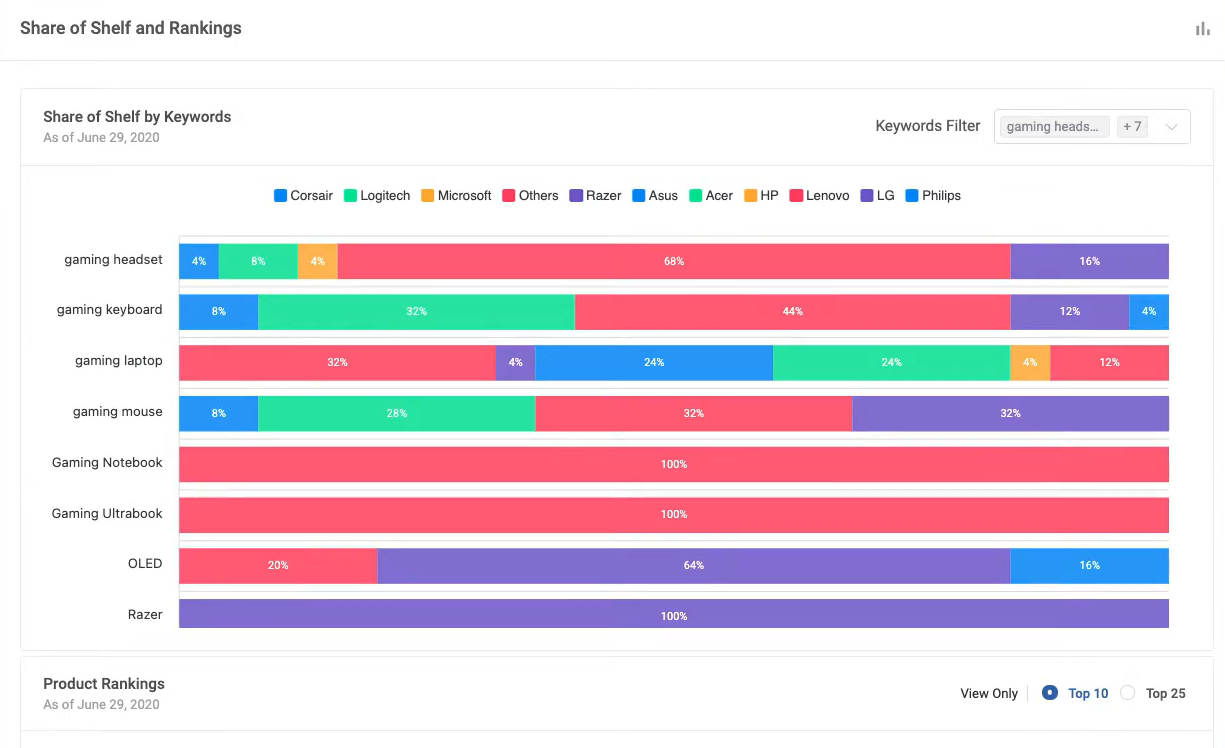
Inriver's Evaluate feature provides Digital Shelf Analytics, which includes competitor pricing insights and price tracking on retailer sites
-
However, Evaluate is primarily focused on monitoring how your products appear across channels, with pricing intelligence as one component
-
Businesses with intensive competitive pricing needs may benefit from a tool focused exclusively on this function
Source: Inriver
Product Information Management vs. Dedicated Pricing Tools
-
Having accurate product data is essential, but comprehensive pricing strategy may require specialized functionality
-
While Inriver provides some pricing visibility, the depth of competitor analysis and automated repricing capabilities differ from other pricing platforms
-
The question is whether your pricing intelligence needs are met by Inriver's integrated approach or require a specialized solution
Automated Repricing Considerations
-
Tracking competitor prices across dozens of websites manually is time-consuming and error-prone
-
E-commerce pricing changes rapidly; manual checks can't keep pace
-
Automated monitoring and repricing require specialized tools with dedicated data collection infrastructure
These considerations have led some e-commerce businesses to pair their PIM investment with pricing intelligence solutions.
GetRealPrice as a Complementary Solution
GetRealPrice offers a specialized approach to pricing intelligence that goes broader than what PIM systems typically provide.
Founded in 2012 and headquartered in Finland with offices across Europe and MENA, the company has spent over a decade building effective infrastructure for competitive price monitoring.
While Inriver manages what you sell (product information, descriptions, images) and includes some pricing visibility through its Digital Shelf Analytics, GetRealPrice focuses exclusively on what others charge (competitor prices, promotions, stock levels). For e-commerce businesses with intensive pricing intelligence needs, this specialized focus can provide a competitive edge.
GetRealPrice operates in 32 countries and serves retailers, FMCG manufacturers, and marketplaces across industries including grocery, fashion, DIY retail, consumer electronics, and pharmaceuticals.
GetRealPrice Starter Package: €1,050/month
|
Feature |
Details |
|---|---|
|
Competitor Monitoring |
Up to 3 competitor webshops |
|
Product Matching |
Up to 10,000 SKUs per competitor |
|
Update Frequency |
Up to 3 times per week |
|
Match Accuracy |
98% accuracy with human verification layers |
|
Support |
2 hours weekly consultation, 1,800+ report templates |
|
Trial |
Free trial available |
The Starter package at €1,050/month provides the foundation for competitive price monitoring. It includes strategic consultation on choosing competitors and optimizing monitoring frequency.
|
Starter Package Pros |
Starter Package Cons |
|
✅ Free trial available |
❌ Limited to 3 competitors |
|
✅ Includes strategy consultation |
❌ Requires investment in dedicated tooling |
|
✅ Human-verified product matching |
❌ 10,000 SKU limit per competitor |
|
✅ Weekly support included |
❌ Updates limited to 3x weekly |
The Bottom Line 👉 The Starter package works for businesses beginning their competitive pricing journey. Contact the vendor for larger requirements.
Key GetRealPrice Capabilities
Product Matching Without Standard Codes: GetRealPrice performs product matching using AI analysis of images, descriptions, and titles; no EAN codes or standardized identifiers required. The platform identifies identical products even when names vary significantly between retailers.
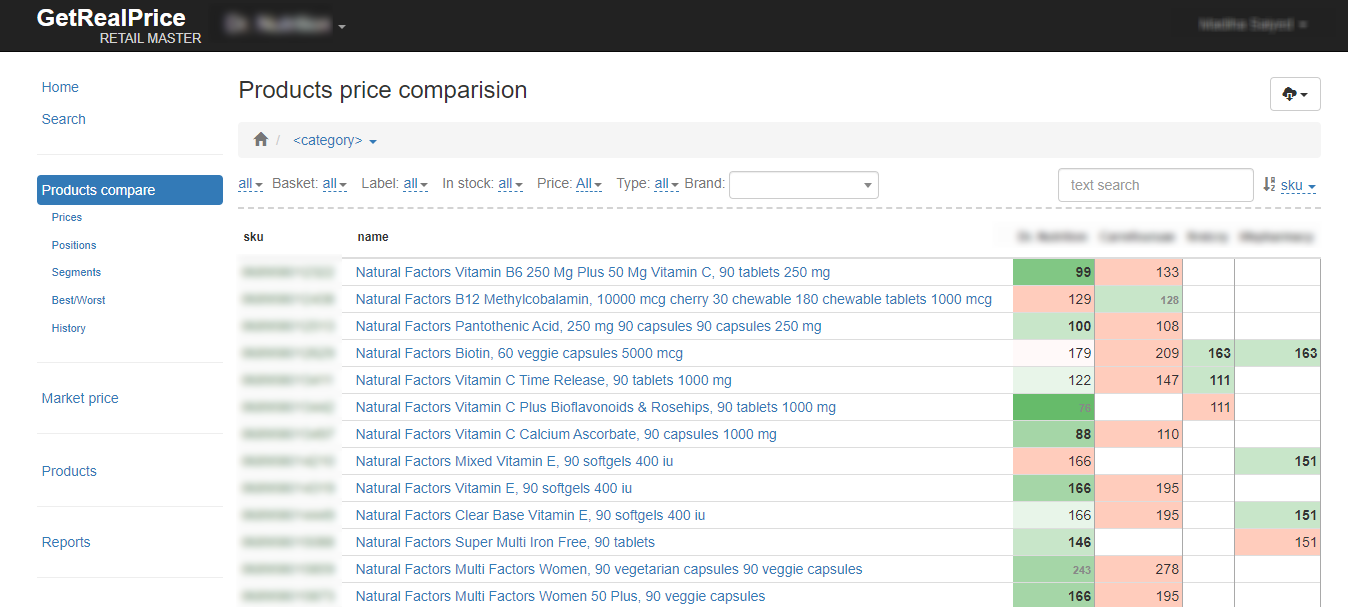
This extends to "analog" matching: finding equivalent products from different brands that share the same functional specifications. For example, in DIY retail, the system can match identical hex bolts across different suppliers even when product naming conventions differ completely (e.g., "Hexagon head bolt DIN933 M6x55 stainless steel A2" vs. "6KT-SCHR. 933 A2 6X 55").
Human-Verified Accuracy: Unlike fully automated systems, GetRealPrice applies two levels of verification after AI matching. Trained specialists review matches to ensure accuracy, particularly for edge cases. This hybrid approach aims to combine speed with reliability.
Package Size Normalization: When products come in different quantities, the platform applies price multiplicators for fair comparisons. If you sell 750 vitamin pills and a competitor sells 800, the system recalculates prices to enable direct comparison.
Rule-Based Repricing: GetRealPrice offers automated repricing that adjusts prices based on competitor data, margin requirements, and stock levels. Rather than black-box AI, the platform uses transparent business rules.
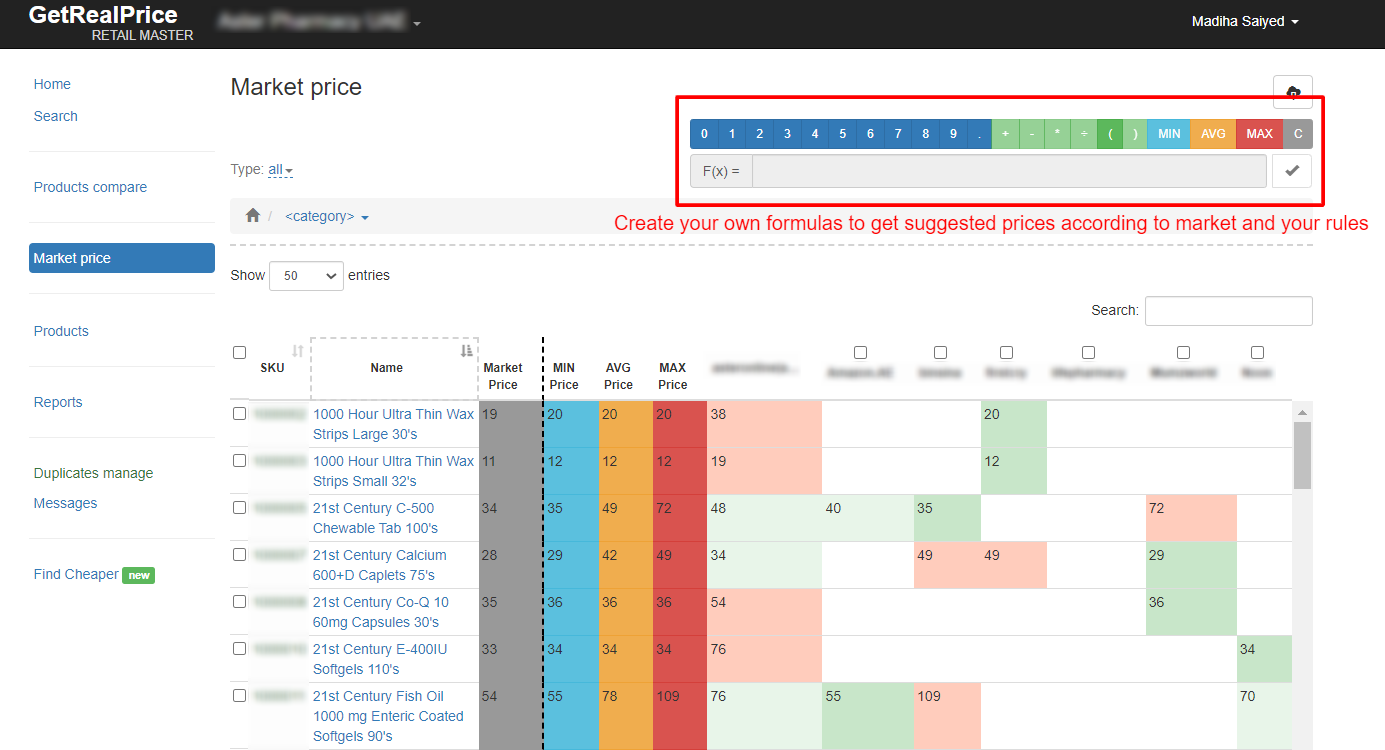
For example, "match the cheapest competitor price as long as the margin exceeds 5% and the competitor has stock available." This approach gives pricing teams full visibility into why specific prices were recommended.
Data Collection Infrastructure: The platform maintains dedicated infrastructure for handling anti-crawling defenses, including visual rendering robots, anti-captcha capabilities, and custom parsing for each data source. This technical investment enables data collection from sites that block standard scraping tools.
Reporting and Alerts: Over 1,800 report templates are available, with customization options. The alert system provides notifications when competitors change prices or launch promotions.
Integration Options: Data exports in CSV, XLSX, or JSON formats, with API access for connecting to ERP systems and automating price updates on e-commerce platforms.
Value Breakdown: PIM vs Pricing Intelligence
Managing Product Information vs Monitoring Market Prices
Inriver's Approach: Inriver centralizes all product data (descriptions, specifications, images, videos) in one platform and syndicates it to sales channels. The focus is on ensuring accurate, consistent, and complete product information everywhere you sell.
GetRealPrice's Approach: GetRealPrice monitors what competitors charge for similar products across e-commerce websites. The focus is on ensuring your prices are competitive and your margins are optimized based on market conditions.
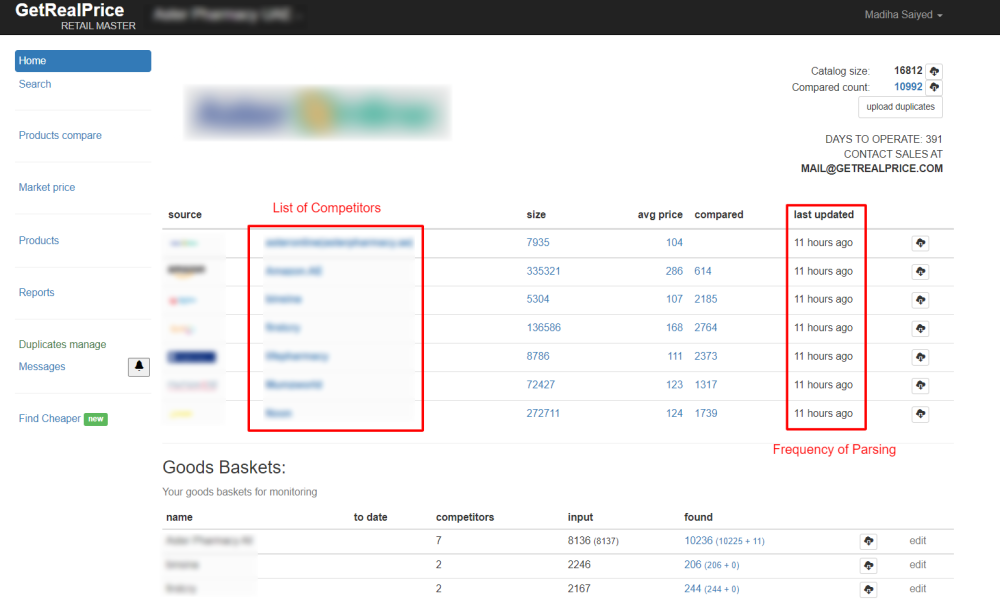
🪙 Value Verdict: These tools address different primary objectives. Inriver answers "Is my product information accurate?" while GetRealPrice answers "Are my prices competitive?"
Enterprise Flexibility vs Specialized Depth
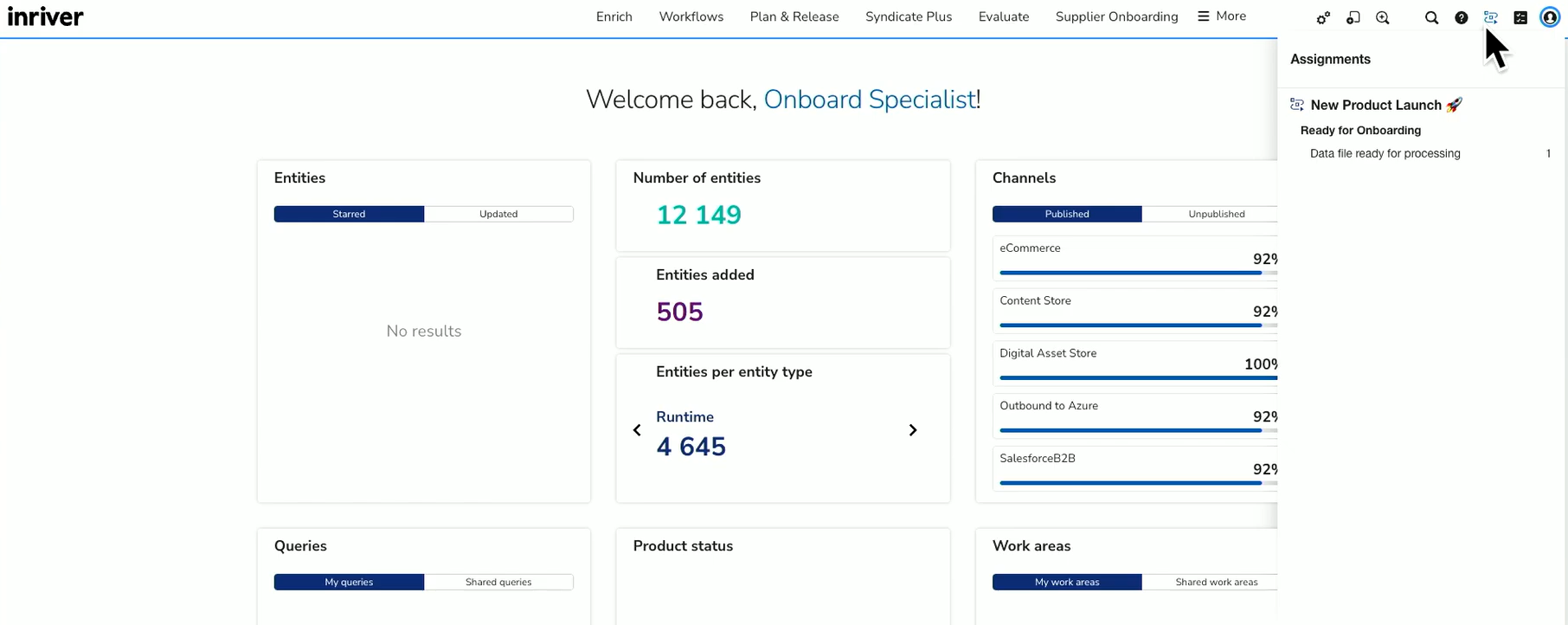
Inriver's Approach: As a comprehensive PIM platform, Inriver offers broad capabilities including data modeling, workflows, DAM, syndication, and analytics. It's designed to be the central hub for all product information.
Source: Inriver
GetRealPrice's Approach: GetRealPrice focuses exclusively on pricing intelligence. The platform has invested over a decade in building specialized infrastructure for product matching and price monitoring, including capabilities for handling complex matching scenarios and data collection from protected sources.
🪙 Value Verdict: Inriver offers breadth across product information management; GetRealPrice offers specialized depth in pricing intelligence with infrastructure built specifically for this purpose.
Pricing Models
Inriver's Approach: Fully custom, quote-based pricing with no public rates. Requires sales consultation to understand costs. All tiers include support and training through Inriver Academy.
GetRealPrice's Approach: Published starting price (€1,050/month) with clear feature limits. Free trial available to test before committing. Contact the vendor for larger requirements.
🪙 Value Verdict: GetRealPrice offers more pricing transparency and a trial option; Inriver requires direct engagement with sales.
Final Verdict
The choice between Inriver and GetRealPrice isn't either/or. They solve different problems that are both valuable for e-commerce success.
👍 Inriver is a Product Information Management platform designed for enterprises that need to centralize, enrich, and distribute product data across multiple channels and markets. With its flexible data model and custom pricing approach, it serves organizations willing to invest in a comprehensive solution for product information.
The quote-based model means pricing aligns with specific requirements, though it requires direct engagement with sales. Inriver is well-suited for brands, manufacturers, and retailers managing complex product catalogs who need a single source of truth for product information.
Get started with Inriver here.
👉 GetRealPrice is a pricing intelligence platform built for e-commerce businesses that need to monitor competitor prices and optimize their own pricing strategies. Founded in 2012 and operating in 13 countries, the company brings over a decade of specialized experience to competitive price monitoring.
With published pricing starting at €1,050/month and a free trial, it offers a clear path to getting started. The platform's hybrid AI-plus-human verification approach, transparent rule-based repricing, and specialized data collection infrastructure differentiate it from general-purpose tools. GetRealPrice is valuable for retailers and brands that understand competitive pricing intelligence is as important as product information quality.
Get started with GetRealPrice here.
The relationship between these platforms is complementary rather than competitive. While Inriver helps ensure your product information is complete and accurate across channels (with some pricing visibility included), GetRealPrice offers specialized depth in competitive pricing intelligence. Businesses with intensive pricing needs may benefit from both capabilities.
Inriver Pricing FAQ
Does Inriver publish its pricing?
No. Inriver uses a fully custom, quote-based pricing model. To get pricing information, you need to contact their sales team. The company states that every plan is tailored to specific business needs, which is why they don't publish standard rates.
Does Inriver offer a free trial?
Inriver does not offer a traditional free trial. However, they provide a "free demo" described as a consultation with no commitment, where prospective customers can have questions answered by a representative.
What's included in all Inriver plans?
According to their website, expert customer support and educational resources through "Inriver Academy" are included in every plan. The specific features vary by tier (Foundation, Core, Professional, Enterprise).
Does Inriver include competitive price monitoring?
Inriver's Evaluate feature (Digital Shelf Analytics) includes pricing capabilities, including competitor pricing insights and monitoring how your products appear on retailer websites. However, it's part of a broader Digital Shelf Analytics suite rather than a competitive intelligence platform. For more specialized or comprehensive competitor price monitoring, businesses may consider solutions like GetRealPrice.
How much does GetRealPrice cost?
GetRealPrice's Starter package begins at €1,050 per month. This includes monitoring up to 3 competitors with 10,000 SKUs each, price updates 3 times weekly, and 2 hours of weekly support consultations. A free trial is available. Contact the vendor for larger requirements.
Can Inriver and GetRealPrice be used together?
Yes. They address different aspects of e-commerce operations. Inriver manages your product information (what you sell) with some pricing visibility, while GetRealPrice provides specialized competitor pricing monitoring (how much others charge). Using both provides comprehensive coverage of product information management and pricing intelligence.